
When we first launched GrillBuff, we had a clear vision of what a great review site should offer—honest evaluations, helpful comparisons, and the kind of information people need when shopping for a grill or smoker. One thing we didn’t initially include, however, was a dedicated Buyer’s Guide, something many of our readers suggested over time.
So we listened.
We’re proud to introduce our 2026 Grill & Smokers Buyer’s Guide, designed to help you make a confident and informed decision when purchasing a new outdoor cooking appliance. Whether you’re buying your first grill or upgrading to something more advanced, this guide aims to save you time, money, and the frustration of endless searching online or in stores.
Maybe your family had a grill when you were growing up and now you’re ready to get one of your own. Perhaps you and your partner want to start hosting backyard cookouts, or maybe you’re looking for the perfect gift for a friend or family member who loves barbecue. There are many reasons to buy a grill—and just as many great smokers worth considering.
If you’re still deciding what type of grill or smoker you need, what size is right, or which features matter most, keep reading. In the sections ahead, we’ll walk through the most important things to consider so you can choose the grill or smoker that best fits your cooking style, budget, and backyard setup.
Differences, Benefits, and Drawbacks – Grills vs. Smokers
One of the biggest differences between a grill and a smoker is how the food is cooked. Grills typically cook food using direct heat, which allows you to prepare meals quickly at higher temperatures. Because of this, grilling is ideal for foods like steaks, burgers, hot dogs, chicken, and vegetables that benefit from fast cooking and the flavorful sear marks produced by high heat.
Smokers work differently. Instead of direct heat, smokers use indirect heat combined with wood smoke to slowly cook food over a longer period of time. This process not only cooks the food but also infuses it with the distinct smoky flavor that barbecue enthusiasts love. Smoking is commonly used for larger cuts of meat such as brisket, ribs, pork shoulder, and whole chickens, where slow cooking helps break down tougher fibers and create tender results.
We wrote an article titled, The Difference Between Smoking & Grilling which goes more in-depth about this topic. After reading that post you’ll definitely get a better understanding of the different cooking methods.
In some cases, foods are smoked primarily for flavor rather than complete cooking. Bacon is a good example. Although the bacon you purchase at the store has been smoked, it still needs to be cooked before it’s ready to eat. The smoking process adds flavor and helps preserve the meat but does not fully prepare it for consumption.
Both grilling and smoking provide unique benefits. Smoking food can help eliminate certain bacteria and enhance flavor, while grilling creates the caramelized sear marks and crisp texture many people enjoy. Each cooking method offers a different style of outdoor cooking, and many BBQ enthusiasts eventually choose to own both a grill and a smoker to enjoy the advantages of each.
Prepping the Grill vs. Prepping the Smoker
Grills are generally quicker and easier to prepare for cooking than smokers. Most gas or charcoal grills heat up rapidly, allowing you to begin cooking within minutes. With gas grills, ignition is as simple as turning a knob and pressing the starter, while charcoal grills only require lighting the briquettes and waiting for them to reach the proper temperature.
Smokers, on the other hand, usually require more preparation time, but they also allow you to cook larger quantities of food at once, especially with vertical or cabinet-style models. Because smoking relies on controlled heat and smoke over longer periods, the fuel preparation becomes more important.
Smokers typically use wood chips, pellets, chunks, or split logs to create smoke and maintain low cooking temperatures. Many pitmasters recommend soaking wood chips or chunks in water for about 30 minutes before use, which can help slow the burn and create a steady smolder that produces flavorful smoke.
Proper preparation of the fuel is important. Wood that is too dry may burn too quickly, creating excessive heat instead of slow smoke. On the other hand, wood that is overly wet or not properly drained may produce inconsistent smoke or cause excess moisture in the smoker. Finding the right balance helps maintain the steady, slow-burning smoke that is ideal for smoking meats and other foods.
Fuel – Grill Fuel vs. Smoker Fuel
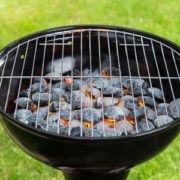
Grills typically use charcoal or gas as their primary fuel source. Charcoal is widely available, inexpensive, and popular among grilling enthusiasts for the flavor it can add to food. However, charcoal can leave residue on hands and clothing, so it’s helpful to keep a damp cloth nearby while handling it.
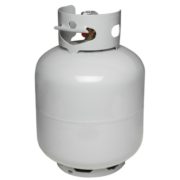
Gas grills use either liquid propane (LP) or natural gas. Propane grills are very common because they are portable and easy to set up with refillable tanks. Natural gas grills connect directly to a home’s gas line, providing a continuous fuel source without the need to refill tanks. When choosing a gas grill, it’s important to verify which fuel type the grill is designed for by checking the manufacturer’s specifications.
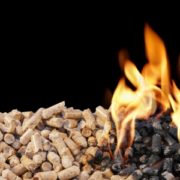
Smokers, on the other hand, rely on wood-based fuels to produce both heat and smoke. Depending on the type of smoker, this fuel may come in the form of wood chips, chunks, pellets, or split logs. Each type of smoker is designed to work best with a specific fuel style. For example, pellet smokers require specially designed wood pellets, while traditional smokers often use chips or chunks.
Some smoking methods involve soaking wood chips before use, which can help them smolder longer and produce steady smoke. However, wood fuel should not be stored while damp because moisture can lead to mold or deterioration. Instead, wood should be stored dry and only soaked shortly before cooking if needed.
Preparing smoker fuel can sometimes create a small mess, especially when soaking and draining wood chips. However, once you have a designated area for preparing your fuel, the process becomes simple and routine for future smoking sessions.
What Can, and Cannot, be Prepared on a Grill vs. in a Smoker
Grills are typically best suited for foods that can sit securely on the cooking grates without falling through. Items such as steaks, burgers, chicken, hot dogs, and larger vegetables are ideal for grilling. Smaller foods are often wrapped in foil packets—for example corn, mushrooms, potatoes, or mixed vegetables—to keep them contained while they cook.
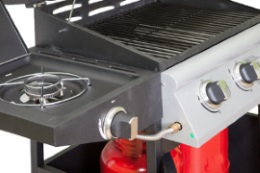
Because grills cook with direct heat, timing is important when preparing a full meal. Different foods may need to be added at different times to ensure everything finishes cooking properly. Many grillers also appreciate having a side burner, which allows sauces, side dishes, or vegetables to be prepared outdoors without needing to use the kitchen.
Smokers, on the other hand, open the door to a wider range of foods thanks to their low-temperature, smoke-infused cooking method. In addition to traditional barbecue items like ribs, brisket, pork shoulder, and whole chickens, smokers can add unique flavor to foods you might not normally consider cooking outdoors.
For example, vegetables, olives, tomatoes, nuts, and even fruits like peaches or pineapple can be smoked to enhance their natural flavors. Smoked fruits can produce flavorful juices that work well as glazes for desserts or meats. Some people also smoke hard-boiled eggs or nuts to add a distinctive smoky flavor to salads and appetizers.
Certain foods that are difficult to cook on a grill—such as cheese—are also well suited for smoking. While cheese would melt quickly and create a mess on a hot grill, cold smoking cheese allows it to absorb flavor without losing its shape. The result can be a rich, smoky ingredient perfect for salads, sandwiches, or grated toppings.
Both grills and smokers offer unique advantages, and each cooking method brings out different flavors and textures in food. Many outdoor cooking enthusiasts enjoy having both options available to expand their menu and cooking styles.
Side Burners on a Grill – What are They Good For?
Side burners are a common feature on many gas grills. While some grill owners rarely use them, others find them extremely helpful once they learn how to incorporate them into their cooking routine.
A Rotisseries for Your Grill Can have Hidden Benefits
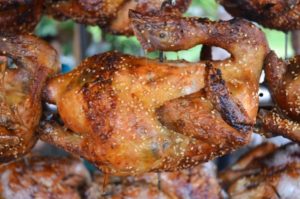
Many grill owners overlook the value of having a rotisserie attachment, but it can actually be one of the healthiest and most effective ways to cook meat on a grill. Rotisserie cooking slowly rotates the food while it cooks, allowing heat to distribute evenly across the entire surface.
Because the food is constantly turning, it cooks more uniformly than meat that simply rests on grill grates. This steady rotation helps prevent hot spots and uneven cooking, producing tender and flavorful results every time.
Another benefit of using a rotisserie is that excess fat naturally drips away from the meat during cooking. Instead of sitting in its own grease, the meat slowly bastes itself while the unwanted fat drips off, creating a healthier finished dish without sacrificing flavor.
Rotisserie cooking also produces the kind of rich, juicy taste often associated with restaurant-style roasted meats. Whether you’re preparing chicken, roast beef, pork loin, or other cuts, a rotisserie attachment can elevate your grilling experience and deliver impressive results right in your own backyard.
Additional Information You Might Find Helpful in Your Search for the Perfect Backyard Cooking Equipment
Indoor Cooking Alternatives
There are also appliances designed for preparing grilled or smoked foods indoors without using a traditional stovetop. These options can be convenient for those who live in apartments, condos, or areas where outdoor grilling is limited.
Electric and gas-powered smokers are examples of indoor-friendly cooking appliances. While they can still produce smoked foods, they typically do not create the same smoke ring or deep smoky flavor that traditional wood-fired smokers provide. Wood smokers generate a more pronounced flavor and visual smoke ring that many barbecue enthusiasts look for. With electric smokers especially, the smoky taste can sometimes be mild or barely noticeable. For some users, however, the added portability and convenience may outweigh the difference in flavor.
Electric grills are another indoor alternative. These appliances are usually designed for use on a kitchen countertop or table and are often chosen for their convenience and ability to create grill marks on meats and vegetables. During colder months or in locations where outdoor grilling isn’t practical, electric grills can provide a reasonable substitute.
That said, the flavor produced by indoor electric grills is generally similar to cooking with a grill pan on the stovetop. While they can replicate the look of grilled food, they typically cannot fully match the smoky taste and cooking experience of an outdoor grill.
Converting a Grill into a Smoker
For those who want the flexibility of both grilling and smoking, it is possible to convert certain grills into makeshift smokers. With a few adjustments—especially on grills that include a side burner or multiple heat zones—you can create a setup that allows food to cook slowly with indirect heat and smoke.
Many grill enthusiasts experiment with this method by adding wood chips, adjusting airflow, and positioning food away from the main heat source. This allows the grill to mimic some of the slow-cooking characteristics of a traditional smoker.
There are numerous tutorials available online that demonstrate how to convert a grill into a smoker. However, it is important to choose a method that is compatible with your specific grill model. Some modifications are permanent, while others are simple temporary adjustments that can be reversed easily.
Starting with temporary modifications is often the best approach. This allows you to experiment with smoking techniques and determine whether investing in a dedicated smoker is something you would enjoy before committing to purchasing another outdoor cooking appliance.
Adding Features or Accessories to Your Grill
When purchasing a grill, it is important to consider whether you want additional features such as a rotisserie attachment or side burner right from the start. These options can significantly expand what you can cook outdoors and make meal preparation easier. However, adding these features later can sometimes cost more than purchasing them as part of the original grill package.
Thinking ahead about how you plan to use your grill can help you choose a model that includes the options you may eventually want. Doing so can save money and prevent the hassle of trying to retrofit accessories after the fact.
Another commonly overlooked accessory is a protective grill cover. Smokers should also have a cover for the same reason. Since grills and smokers are typically made of metal, even those with durable paint or coatings can eventually begin to flake or rust when exposed to the elements.
While minor rust may not affect cooking performance immediately, it can shorten the lifespan of your equipment over time. The cover included with some grills may only be intended for short-term use, so it is often worth purchasing a durable, well-fitted cover when buying your grill or smoker to ensure long-term protection.

Choosing the Best Grill or Smoker for Your Needs
When selecting a grill or smoker, it’s important to choose one that can handle the amount of food you typically cook, with a little extra capacity for gatherings or special occasions. A grill that is too small can quickly become frustrating when preparing meals for family or guests. On the other hand, purchasing a unit that is far larger than necessary can lead to unnecessary fuel usage and higher operating costs.
Portability is another factor worth considering. If you plan to move the grill around your yard, take it on camping trips, bring it to the beach, or relocate it when moving homes, having a model with sturdy wheels can make a big difference. Just make sure the wheels are large and durable enough to move easily across different surfaces.
Finally, your budget will play a major role in the decision. Investing in the best grill or smoker you can reasonably afford often pays off in the long run. A well-built unit can provide reliable performance and allow you to enjoy outdoor cooking for many years. Taking the time to choose the right model for your needs will ensure that your grilling or smoking experience is both enjoyable and worthwhile.
Cost Factors and Features of Low, Mid, and High-Priced Grills and Smokers
If you’re someone who grills occasionally and usually cooks for just one or two people, a simple traditional kettle-style grill with a lid may be all you need. These compact grills are affordable, easy to use, and can even double as a basic smoker when wood chips are added and the vents are adjusted to create a slower burn.
For families or those who frequently entertain friends, larger grills and smokers are often the better choice. Bigger units provide more cooking space and usually feature stronger construction, higher-quality materials, and additional cooking options. These advantages often come with a higher price, but they can also result in a more durable appliance that lasts for many years.

Mid-range grills and smokers are often the most popular option because they strike a balance between cost and performance. They typically offer more cooking space and additional features while remaining affordable for many households. However, some mid-range models may require a bit more care and maintenance to ensure they perform well over time.
Regardless of the price range you choose, it’s always wise to review the warranty information before making a purchase. Pay attention to how long the warranty lasts, what parts are covered, and whether repairs require shipping the unit to the manufacturer or visiting a local service center. It’s also helpful to understand whether any service fees or shipping costs are involved if something goes wrong.
Reading recent customer reviews can also provide valuable insight into a grill or smoker’s performance. Newer reviews often reflect updates or improvements manufacturers have made based on customer feedback, making them more relevant than older comments.
With the right research and careful selection, you can find a grill or smoker that fits your budget and provides years of enjoyable outdoor cooking with family and friends.
The GrillBuff Team